
Parenting

Every parent has a unique way of raising their child. Some parents set clear rules, some are very friendly, some are strict, and some may feel too busy or unsure to stay involved. This approach is called a parenting style. Understanding your parenting style can help you build a healthier relationship with your child and support their emotional, social, and academic growth.
Most parenting approaches fall into four common styles: authoritative, authoritarian, permissive, and uninvolved parenting. No parent fits perfectly into only one category all the time. Stress, work, family situations, and a child’s age can change how we respond. Still, recognising your usual pattern is a helpful first step.

Authoritative parenting combines love, clear boundaries, and open communication. Parents set rules, explain why they matter, and listen to the child’s point of view. They are firm when needed, but they do not use fear as the main tool for discipline.
Real-life example: Your child wants to keep using the phone late at night. Instead of simply shouting “No,” you explain that sleep is important for health and school focus. You agree on a fixed screen-time limit and ask them to keep the phone outside the bedroom at night.
Children raised with this parenting style often learn responsibility, confidence, and problem-solving. They understand that freedom comes with limits.
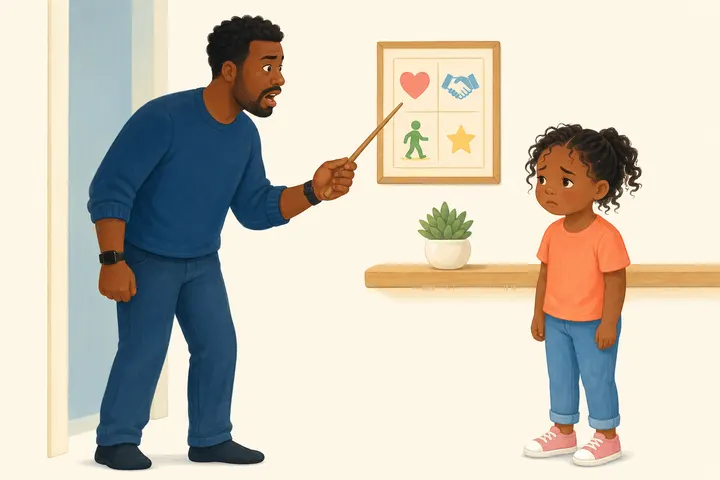
Authoritarian parenting is strict and rule-focused. Parents expect children to obey without questioning. Discipline may involve shouting, punishment, or threats. The parent’s message is often: “Do it because I said so.”
Real-life example: A child gets low marks in a test. Instead of asking what happened or offering support, the parent immediately takes away all playtime and says the child is not allowed to speak back or explain.
Clear rules are useful, but too much strictness can make children afraid of making mistakes. They may obey at home but struggle to make decisions independently or hide problems to avoid punishment.
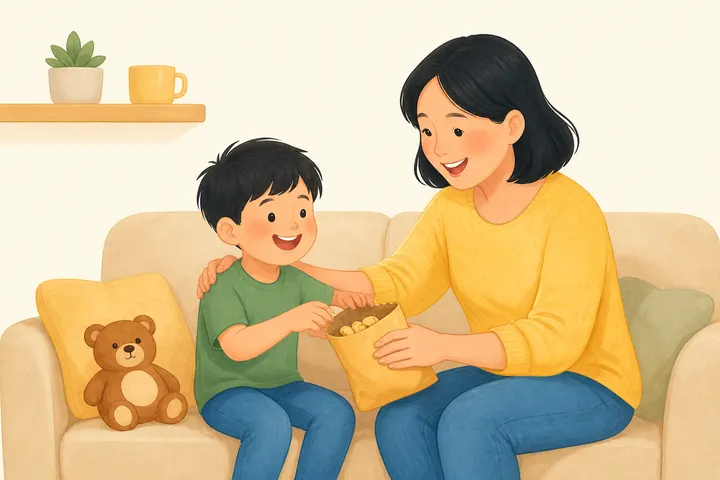
Permissive parents are caring and affectionate, but they may find it difficult to say no. Rules may be inconsistent, and children may get their way after arguing, crying, or insisting.
Real-life example: Your child refuses to eat dinner and demands chips every evening. You know it is not healthy, but you allow it because you do not want a fight or want your child to feel upset.
This style can make children feel loved, but they may struggle with self-control, routines, and accepting limits. Children need kindness, but they also need predictable rules.

Uninvolved parenting happens when a parent is emotionally distant or not regularly involved in the child’s daily life. This can happen because of work pressure, mental exhaustion, family conflict, illness, or lack of support. It does not always mean a parent does not care.
Real-life example: A child regularly misses homework, eats meals alone, and spends hours online without anyone asking about school, friends, safety, or feelings.
Children need attention, guidance, and emotional connection. Even small habits—such as asking about their day, eating one meal together, or checking homework—can make a meaningful difference.
Ask yourself: Do I explain rules? Do I listen before reacting? Am I consistent? Does my child feel safe coming to me with mistakes? The healthiest approach is usually warm, involved, and firm: show love, set reasonable limits, and guide rather than control.
Parenting is not about being perfect. It is about learning, repairing mistakes, and being present for your child every day.
Looking for professional support?
Parenting is one of life's most demanding roles—and one of the least supported. Parent counselling offers practical guidance, emotional support, and e…
Book a consultation to discuss your specific situation.